
Headquarters and Buildings
Explains guild headquarters, battle stations, building families, slot planning and long-term guild structure upgrades.

NovaRaiderTeam
· Guilds
Head Quarters and Battle Stations
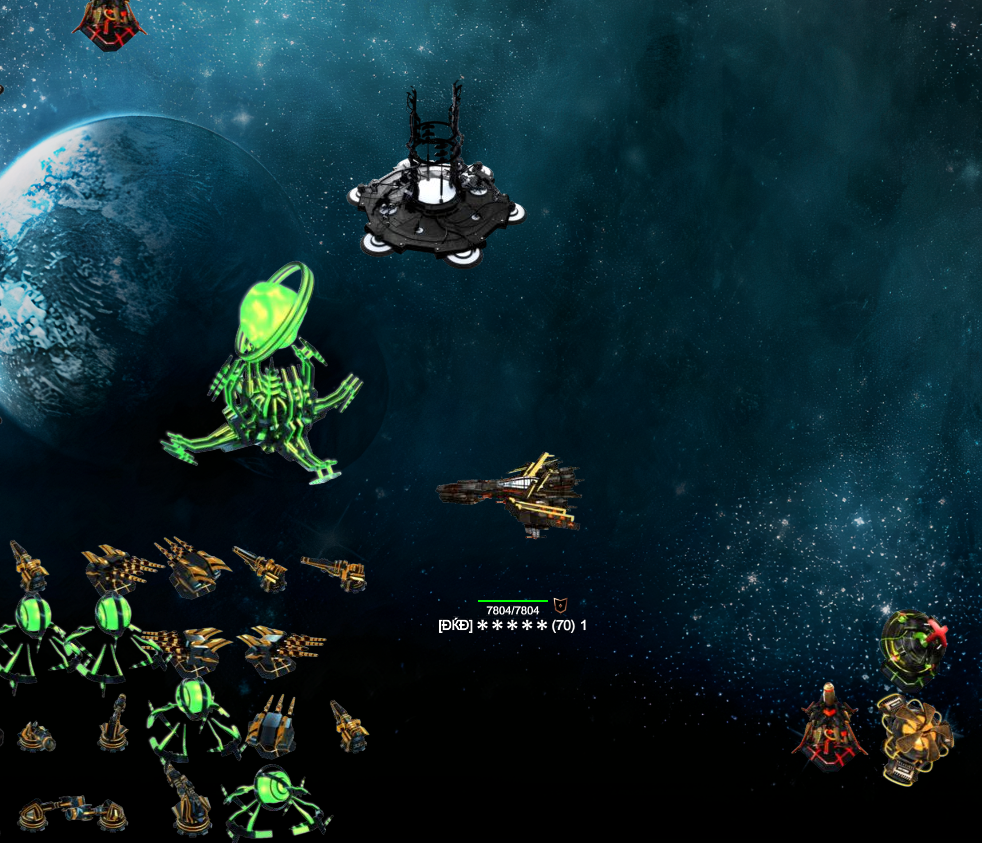
The Head Quarters is the guild’s main base. Members use it to build structures, defend the guild, donate Uranium, repair destroyed buildings and prepare long-term upgrades. Battle stations are smaller guild maps used during Guild Wars.
Building Families
| Building family | Main role | Why it matters |
|---|---|---|
| Hypercore | Main objective structure. | Losing the core is dangerous because it can decide a guild objective. |
| Inhibitor | Protects the core. | Attackers usually need to remove protection before pressuring the core. |
| Laser turret | Single-target defense. | Punishes one attacker with focused damage. |
| Splash turret | Area defense. | Punishes stacked attackers and crowded fights. |
| Missile turret | Shield-piercing pressure. | Pressures targets that depend on Shield Absorption. |
| Defence drone | Mobile defense. | Adds moving pressure around the defended area. |
| Bonus generator | Permanent guild bonuses. | Improves guild members through strategic bonuses. |
| Dungeon Portal | Starts Dungeons. | Turns carried resources into dungeon access and rewards. |
| Training target | Neutral structure. | Safe structure for practice or setup testing. |
Building Slots and Costs
Each guild map has limited slots for building families. The Head Quarters has the largest growth path, while battle stations are more focused and must be prepared for war lanes. Some slots require both Uranium and Guild Points, so a guild should not spend everything on one structure family too early.
Building Management
Authorized members can choose a defense for an unlocked slot, build it, upgrade it, move it to another valid tile and repair it after an invasion. Destroyed structures enter reconstruction and can be finished early by spending Uranium. Building actions and reserve spending are recorded in the guild history.
The displayed statistics of a guild building can be scaled down when the guild's recent war level average or Prestige is too low, and station structures can use different scaling from the Head Quarters. The interface therefore shows the effective statistics for the current guild rather than only a theoretical maximum.
The Dungeon Portal is different from a normal defense: guild members charge it with carried resources, and a ready portal opens the entrance described in Dungeons.
Upgrade Planning
Early growth usually needs a balanced base: a core, protection, enough damage to punish attackers, and the Dungeon Portal when the guild wants PvE rewards. Later growth depends on whether the guild cares more about Guild Wars, Dungeons, rankings or weekly rewards.
FAQ
What should a new guild build first?
Start with essential defense and the structures that support the guild’s most active content. A PvE guild values Dungeon Portal access, while a war guild needs prepared stations.
Are battle stations the same as the Head Quarters?
No. Battle stations are war objectives, while the Head Quarters is the main guild base.
Related Articles
| Article | Why it matters |
|---|---|
| Guild Maps | Explains where Head Quarters and battle stations are used. |
| Guild Wars | Explains station lanes and objectives. |
| Dungeons | Explains the Dungeon Portal. |
| Guild Points | Explains the currency used for guild growth. |
| Shield Piercing | Useful for understanding missile turret pressure. |