
Guilds
Guilds are the main long-term team system, combining members, roles, headquarters buildings, dungeons, wars and weekly activity rewards.

NovaRaiderTeam
· Guilds
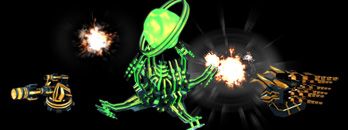
What Guilds Are
Guilds are Nova Raider’s long-term team system. A guild gives players a shared identity, a Head Quarters, Guild Points, Dungeons, Guild Wars, building upgrades, Weekly Guild Challenge rewards and a place to coordinate with friends.
A guild becomes stronger when members stay active. Donating Uranium, earning Guild Points, joining dungeons, preparing battle stations and taking part in events all help the group grow.
Guild Systems at a Glance
| System | What it does | Main linked articles |
|---|---|---|
| Membership | Controls who can join, who can invite, and what each role can do. | Membership and Roles; Friends and Communication; Groups |
| Head Quarters | Main guild base with structures, building slots, donations and repairs. | Headquarters and Buildings; Guild Maps; Map Items |
| Guild Points | Progression currency used for structures, upgrades and slots. | Guild Points; Rankings and Activity |
| Dungeons | Group PvE activity started from the Dungeon Portal. | Dungeons |
| Guild Wars | Competitive guild combat built around battle stations and objectives. | Guild Wars; Guild Maps; PvP |
| Weekly Guild Challenge | Weekly cooperative reward track based on guild activity and personal contribution. | Weekly Guild Challenge; Daily Events; Season Kit |
Actions Available to a Guild
A guild can set its presentation and recruitment mode, process invitations or join requests, create roles, assign permissions, donate to shared reserves, build and move structures, repair or accelerate rebuilding, open dungeons, prepare battle stations, fight wars and progress through the weekly challenge. Activity and war histories let leaders see who joined, left, donated, built, upgraded, attacked or earned collective rewards.
Recruitment can be closed, open to direct joining or based on requests, with a minimum player level. Roles separate Invite, Kick, Manage, Move, Repair and Dungeon permissions so a reliable dungeon starter or station defender does not automatically receive every management right.
How to Grow a Guild
A new guild should first recruit reliable members, define roles clearly, and build a stable Head Quarters. Once the group can defend itself, Dungeons and Guild Wars become the main way to turn activity into long-term value.
Uranium donations are useful, but they are not the whole system. Active players also bring Guild Points, Prestige, dungeons, event progress, weekly challenge milestones and stronger defensive coverage.
Common Planning Mistakes
Do not give every member the same permissions. Invite, Kick, Manage, Move, Repair and Dungeon permissions should match trust and activity. Do not ignore battle stations either: a strong Head Quarters is less useful if the guild cannot enter the war cycle.
FAQ
How many members can a guild have?
The current public guild member limit is 10, so every member slot matters.
Should a new guild focus on buildings or activity first?
Activity comes first. Buildings need donations and Guild Points, but those values come from members who play together.
Are Guild Wars required to enjoy guilds?
No. Dungeons, weekly rewards, donations and social play already matter, but Guild Wars are the main competitive guild layer.
Related Articles
| Article | Why it matters |
|---|---|
| Membership and Roles | Explains recruitment modes, role permissions and member management. |
| Headquarters and Buildings | Explains structures, building slots and the Head Quarters. |
| Dungeons | Explains the Dungeon Portal and PvE guild runs. |
| Guild Wars | Explains battle stations, war objectives and Prestige. |
| Weekly Guild Challenge | Explains weekly milestones and personal contribution. |